
en
In January 2021, Michelin launched an ambitious multi-stakeholder community project designed to give a new lease of life to the empty spaces of the historic Cataroux industrial site, upholding a century of innovation. Following four years of discussions and co-creation between Michelin and its public-private partners, the project came to fruition in September 2025, giving rise to the Michelin Innovation Park - Cataroux - a catalyst for economic and cultural growth for the Clermont metropolitan area and the entire region.
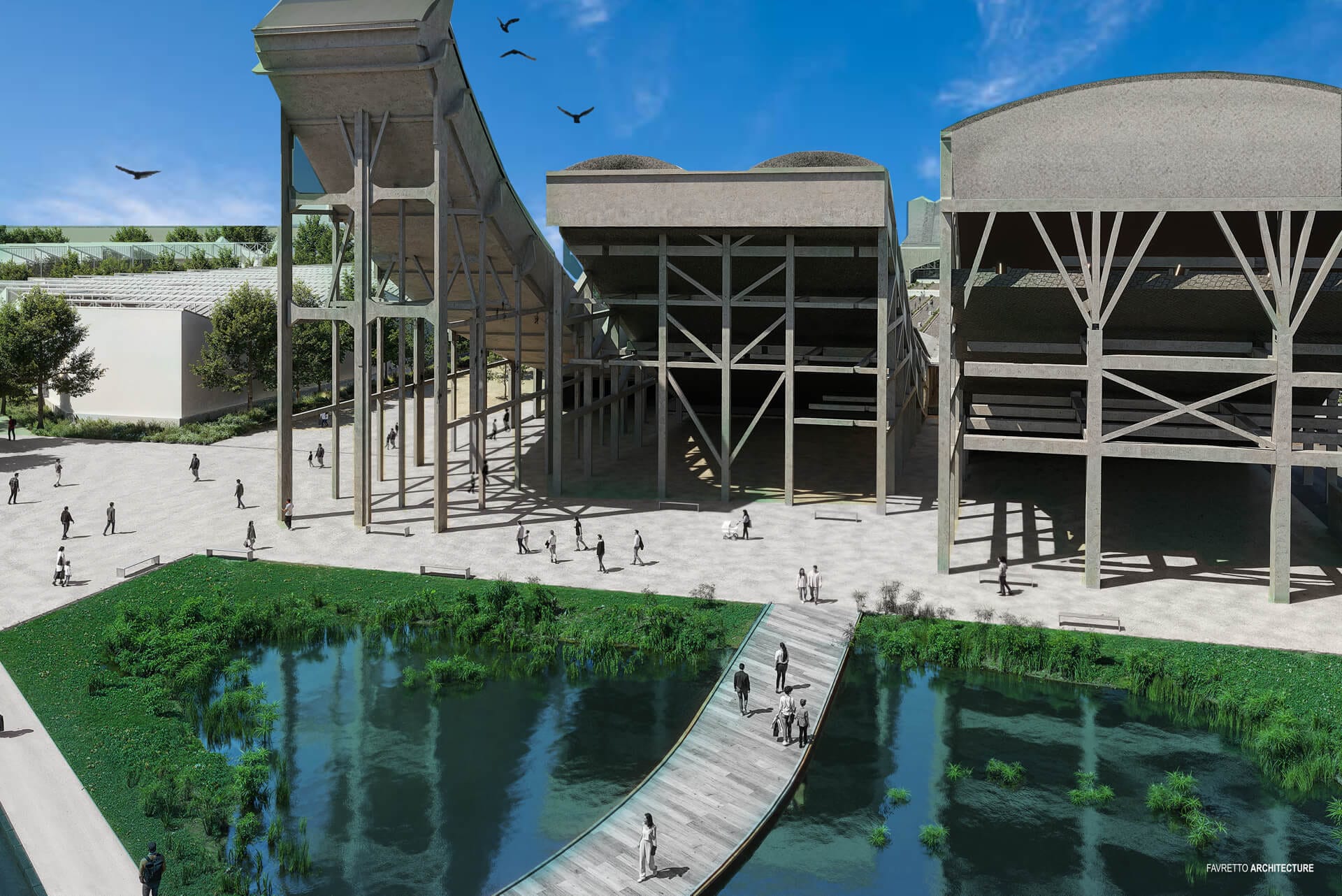

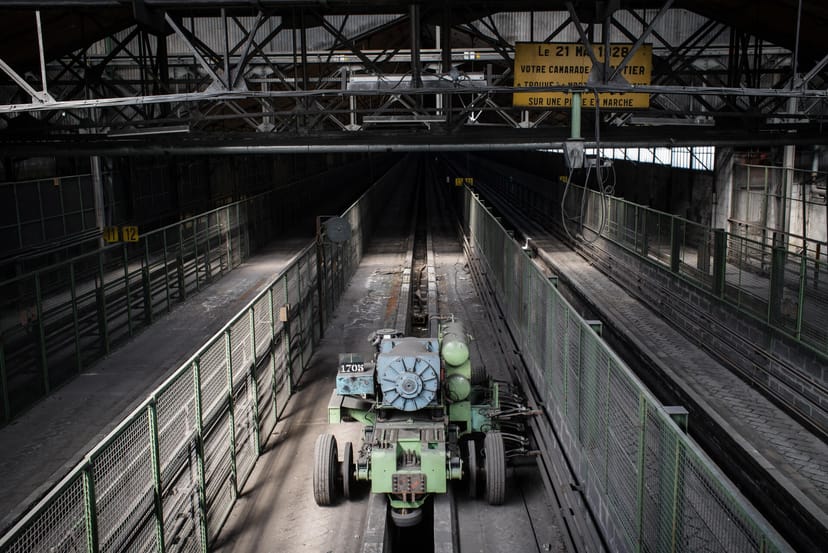
The Cataroux site dates back to 1921; it was the Group’s very first research center and, for many years, its largest manufacturing facility. It was here that Michelin’s innovative power was shaped and consolidated. It was home to a number of ‘firsts’: the first radial tire, the first synthetic rubber, illustrating Michelin’s expertise in materials, as well as the Michelines, railcars mounted on tires. What more natural choice than innovation to form the backbone of the Michelin Innovation Park – Cataroux? It takes multiple forms: technology at the Center for Sustainable Materials and Le PIC, training in Hall 32 and the Talent Campus Michelin, culture in Le Quartier des Pistes.
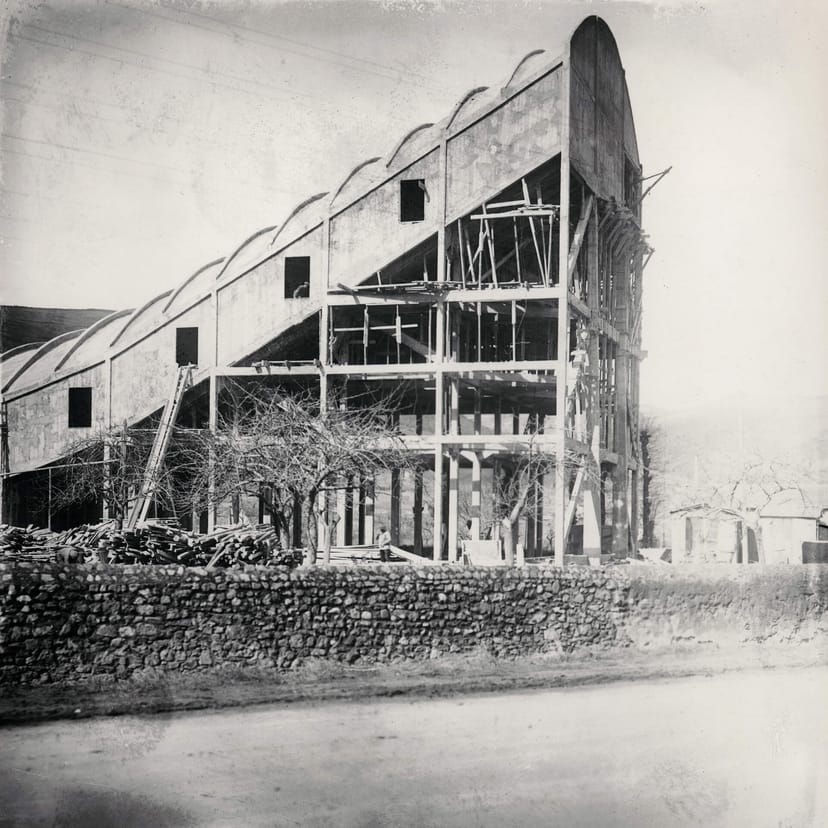
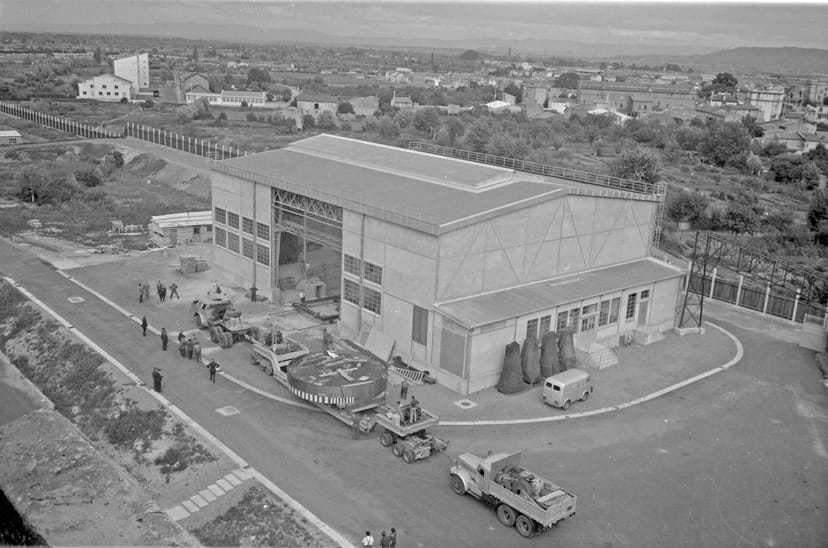
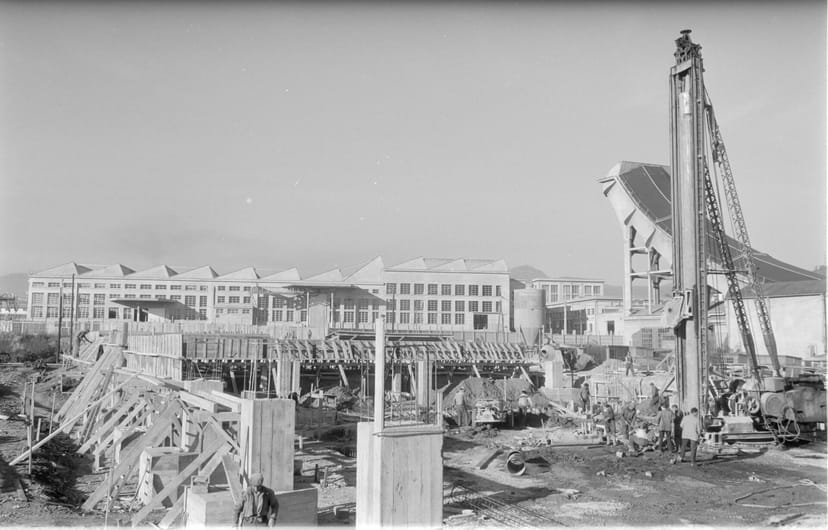
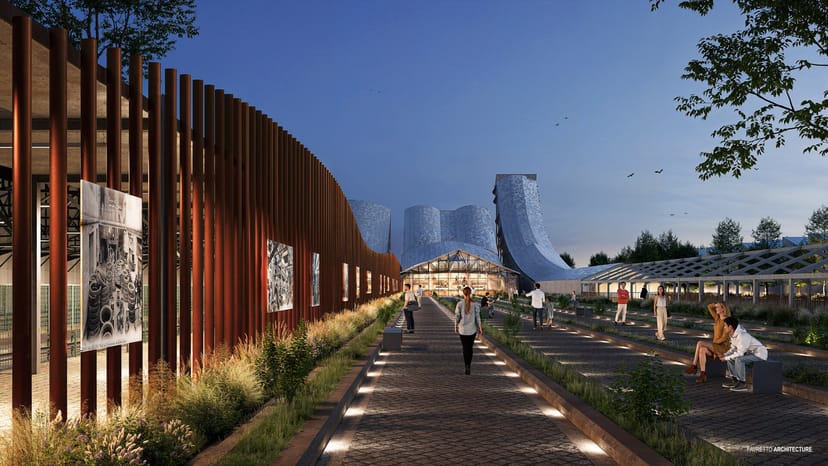
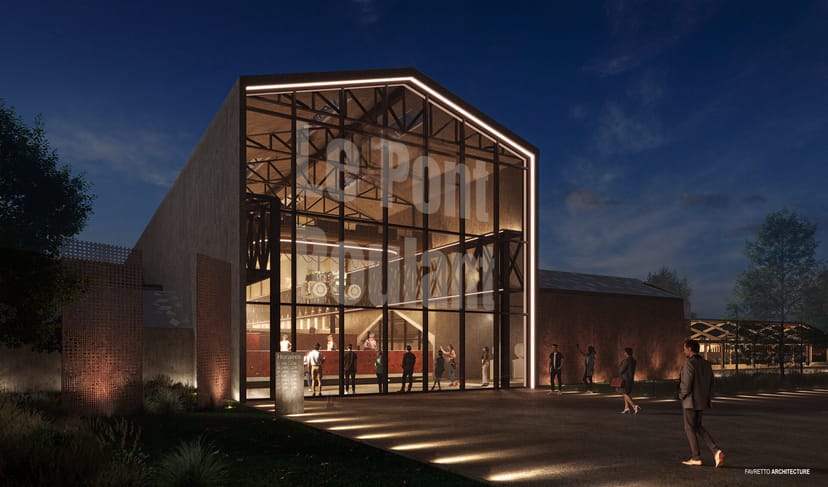
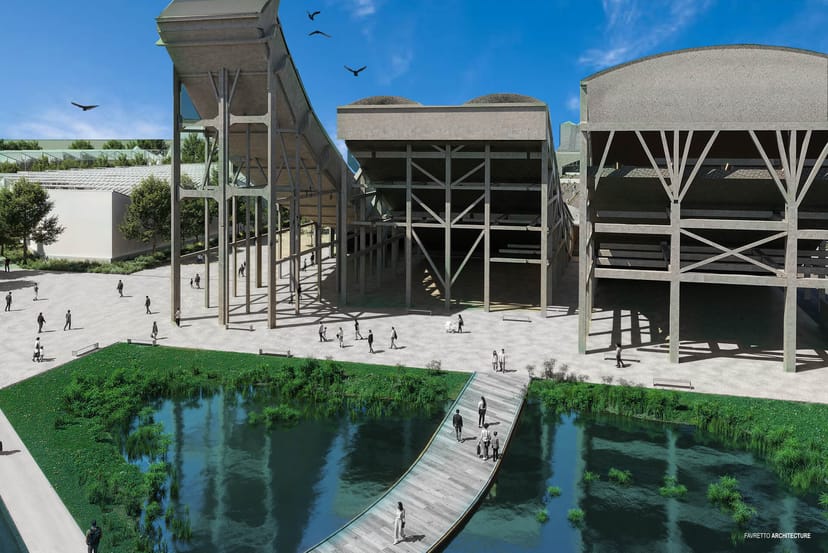
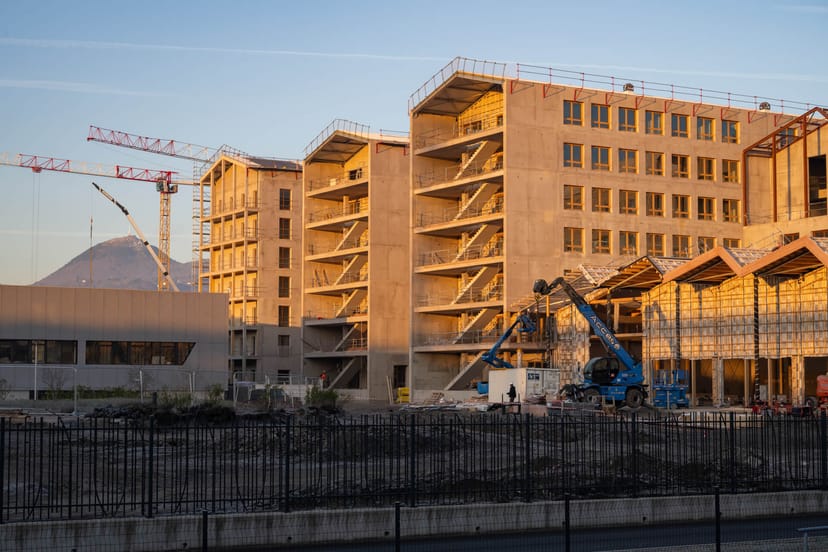
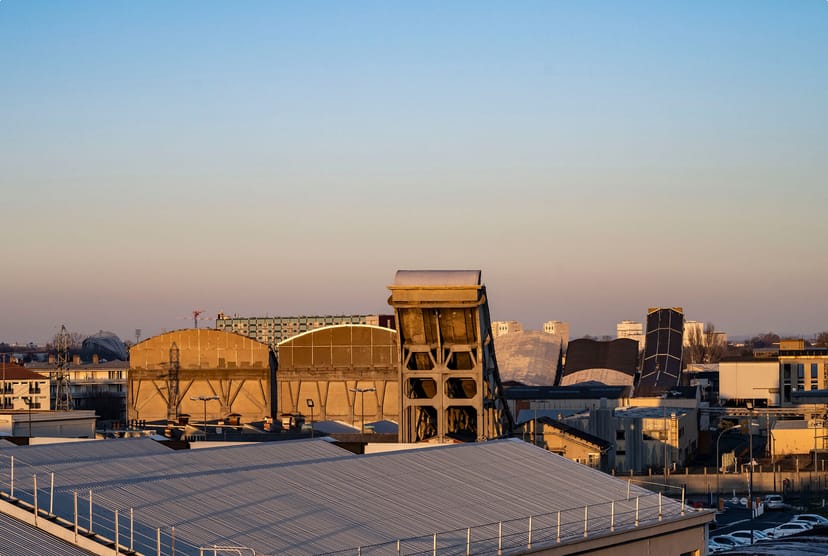
Michelin Innovation Park - Cataroux is the embodiment of a desire to create a site which is open to the world, supporting innovation in all its forms in response to the challenges of today and the need to build a more sustainable future. Each component aggregates the skills and resources required to achieve a significant impact. By nurturing projects intended to create new bio-based materials or invent more efficient plastic recycling solutions, the Center for Sustainable Materials contributes to a more circular economy. La Cité du Mouvement, located in Le Quartier des Pistes, will strive to address health issues related to a sedentary lifestyle and the Talent Campus will focus on well-being at work and skills development.
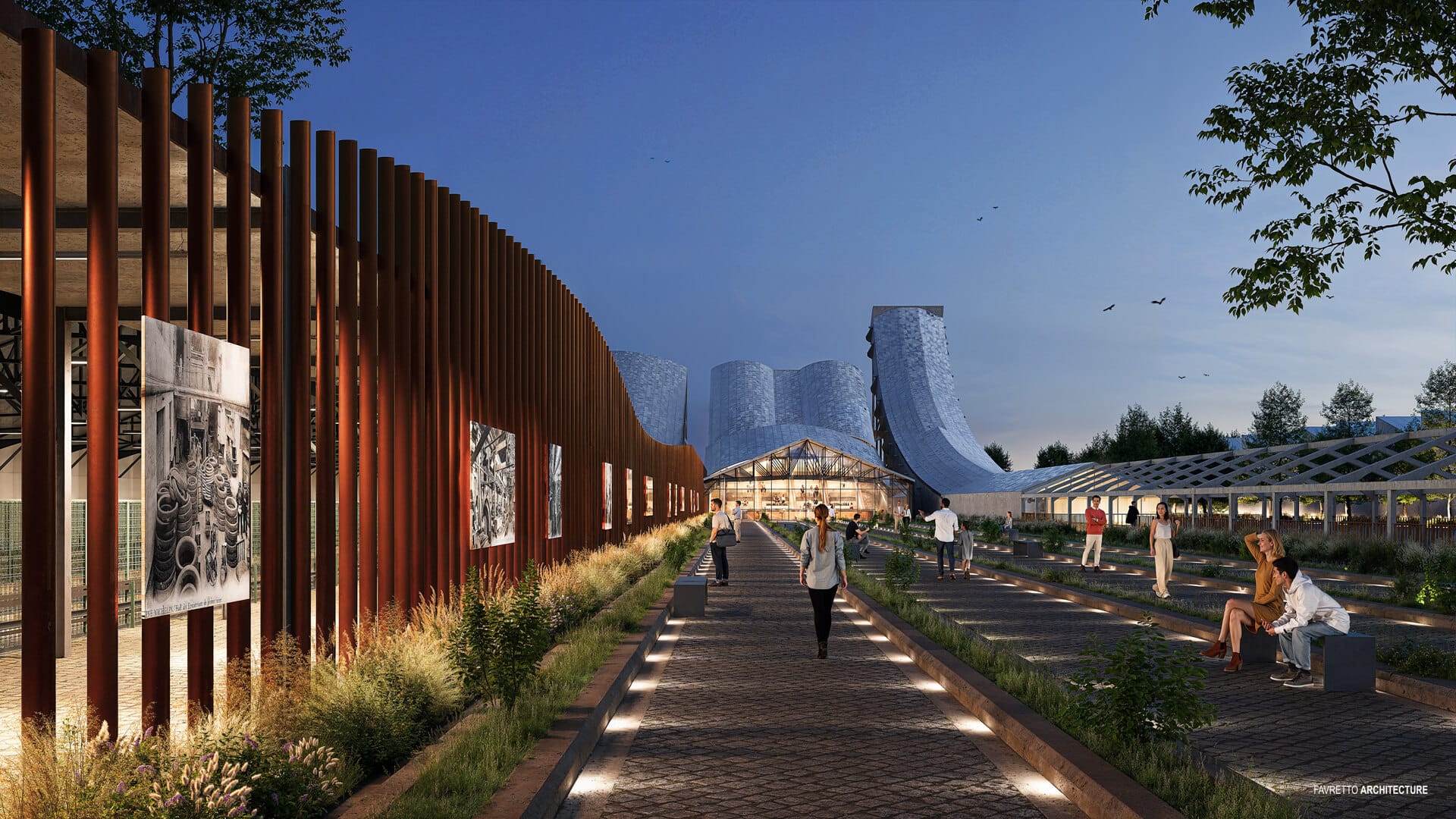
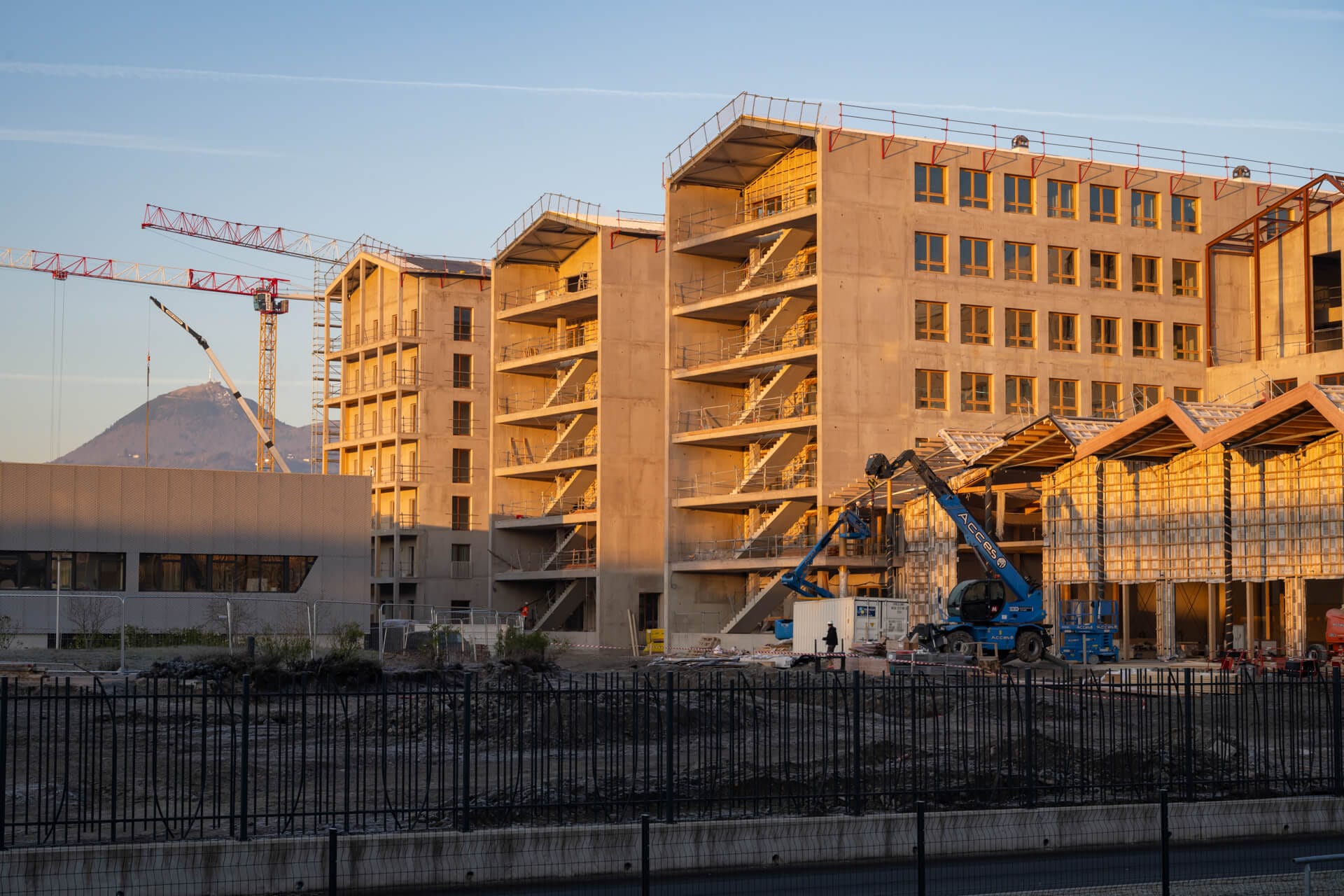
Located right in the center of the Clermont metropolitan area, Michelin Innovation Park - Cataroux is designed to be a new hub of community life which is open to everyone and complements the local service offering. Everyone who comes to learn, work, explore - or simply hang out - will enjoy a great experience with interesting activities and plenty of social interaction The sustainably-designed amenities conserve natural resources and foster biodiversity. Examples are planting 100 trees in Square Elisabeth Daubrée, adjacent to Le PIC, the Talent Campus Michelin and Hall 32, rendering more than 3 hectares of land permeable and creating a rainwater collection system in Le Quartier des Pistes.
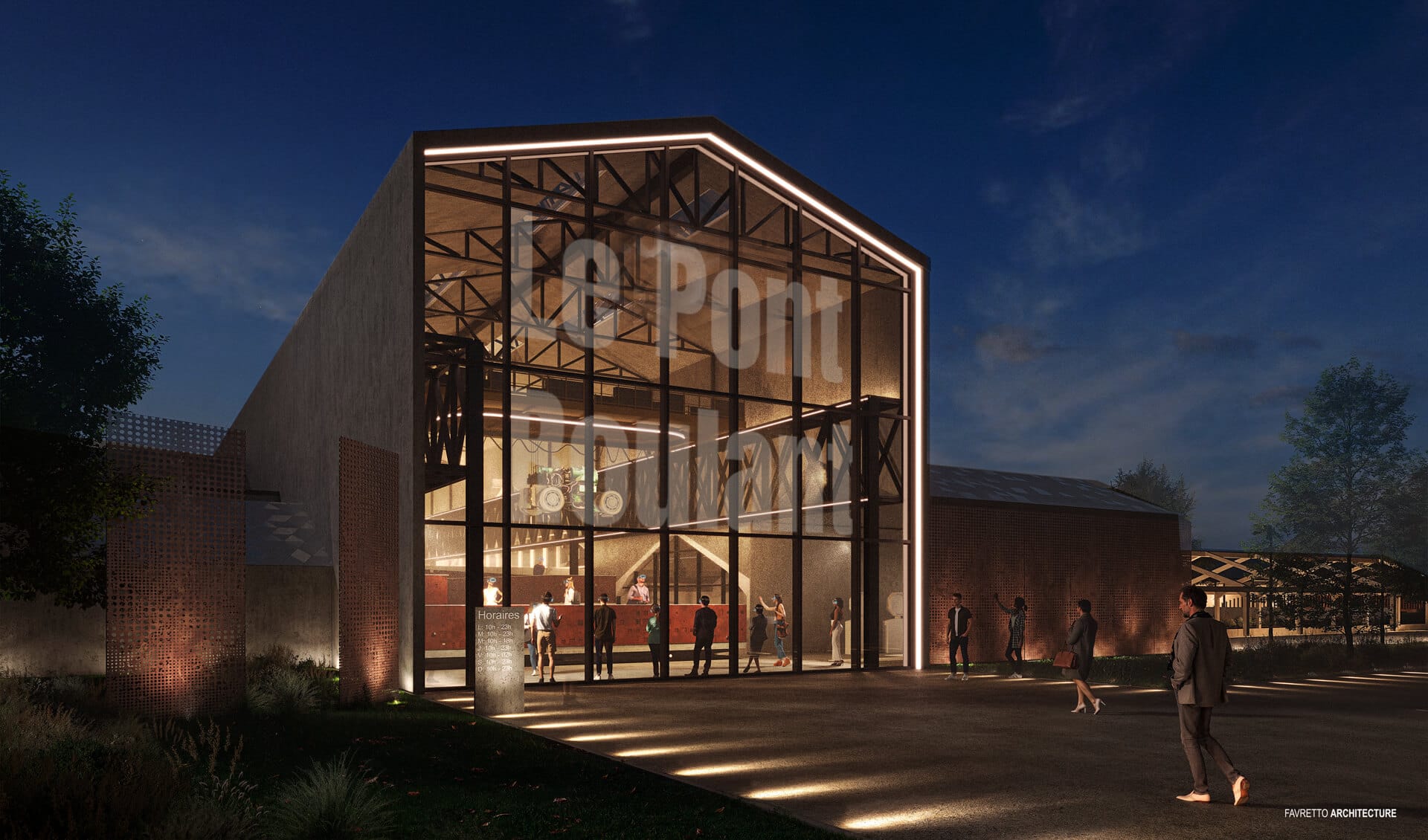
Michelin Innovation Park – Cataroux encourages original collaborations and brings together both public and private partners. A joint endeavor, on Michelin's initiative, has been ongoing with all partners since 2021 to make the Cataroux site a new driver of appeal for the region, its residents, businesses and visitors. A total of €300 million in funding will be provided by a strong network of local stakeholders including the City, the Metropolitan Area, the Region, the French government, Crédit Agricole Centre France, the Michelin Group, the Banque des Territoires, the Caisse d’Epargne Auvergne Limousin, the Puy-de-Dôme Clermont Auvergne Métropole Chamber of Commerce and Industry and Clermont Auvergne University.
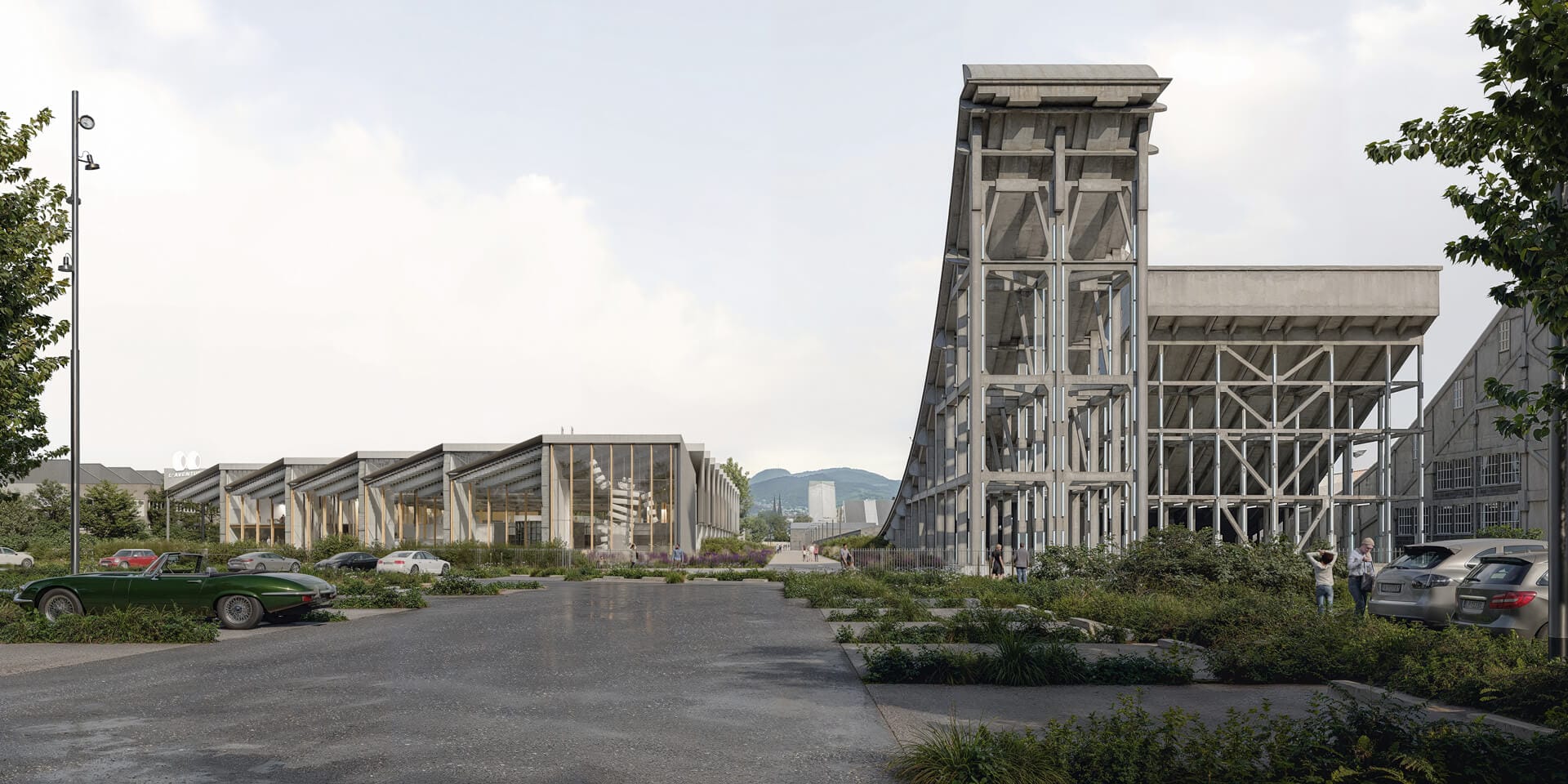
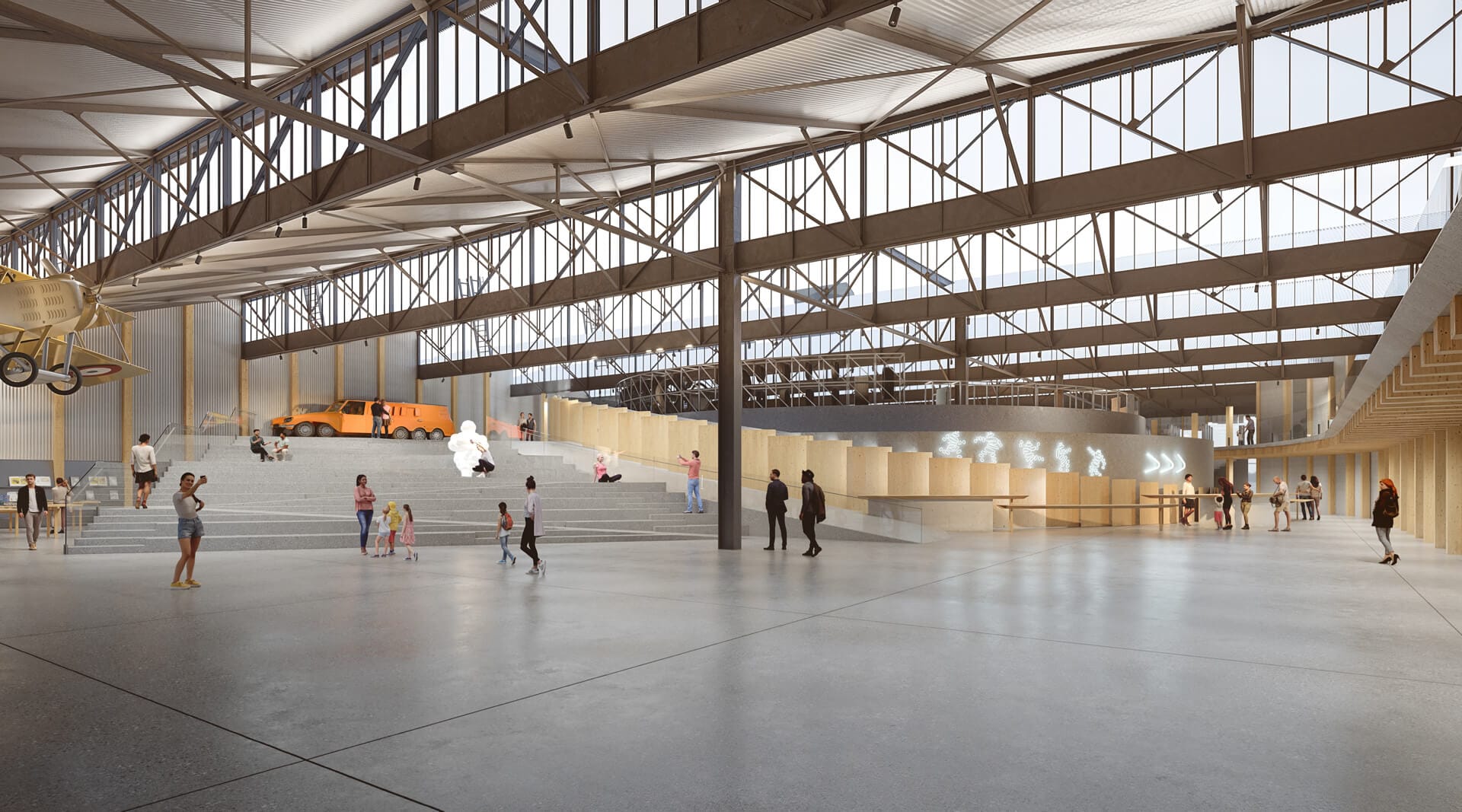
Michelin Innovation Park - Cataroux reached a new stage in its development with the opening of Le PIC in January 2026. The project is continuing to unfold. The next major milestone will be the opening of Le Quartier des Pistes in 2029, offering a host of new leisure activities: heritage tours, augmented reality visits, cultural and gourmet experiences etc. It will also play a role in community engagement by fostering inclusion and promoting activities to reduce health risks. Michelin Innovation Park - Cataroux’s partners are already looking to the future to ensure the project’s next developments bring value for everyone now and over time.
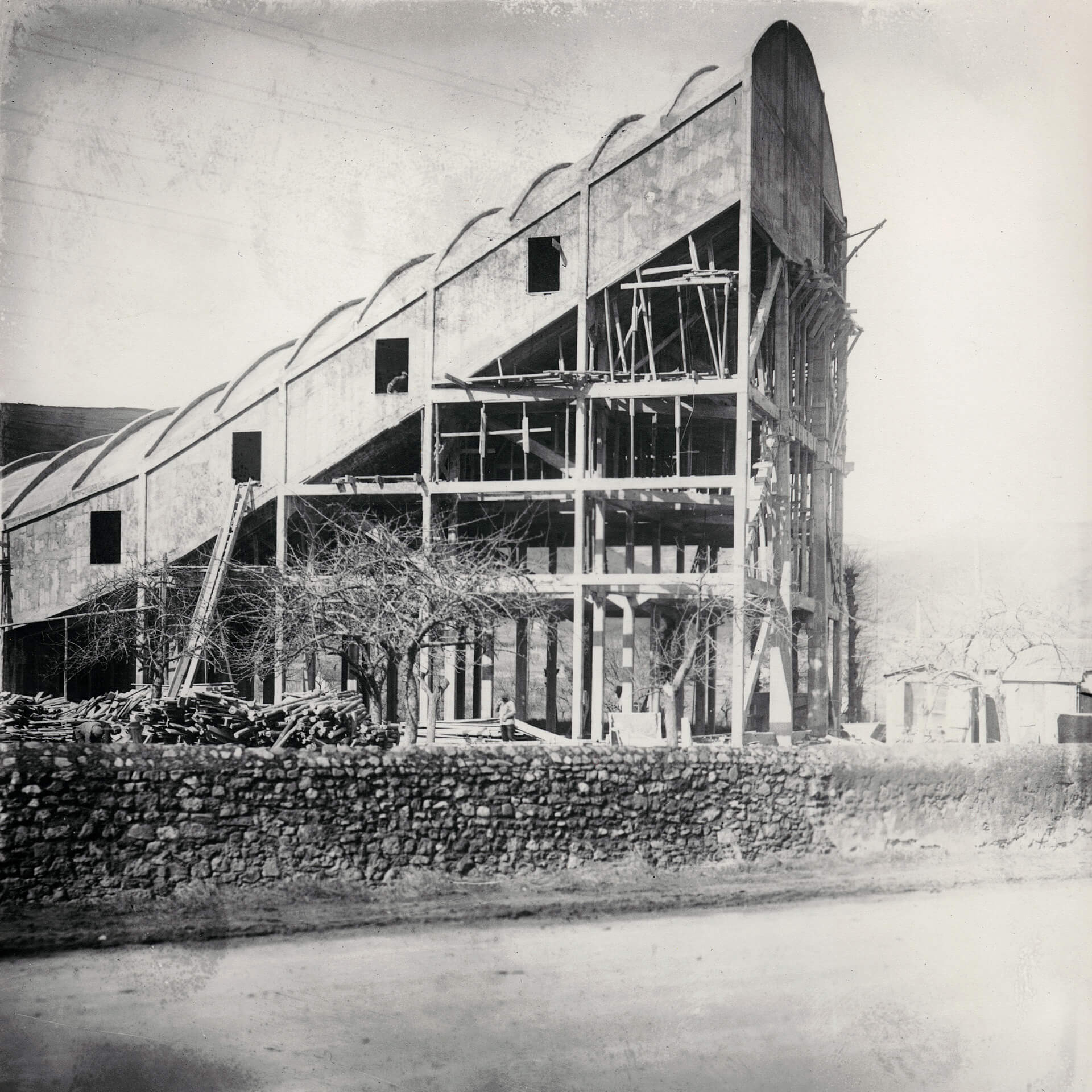
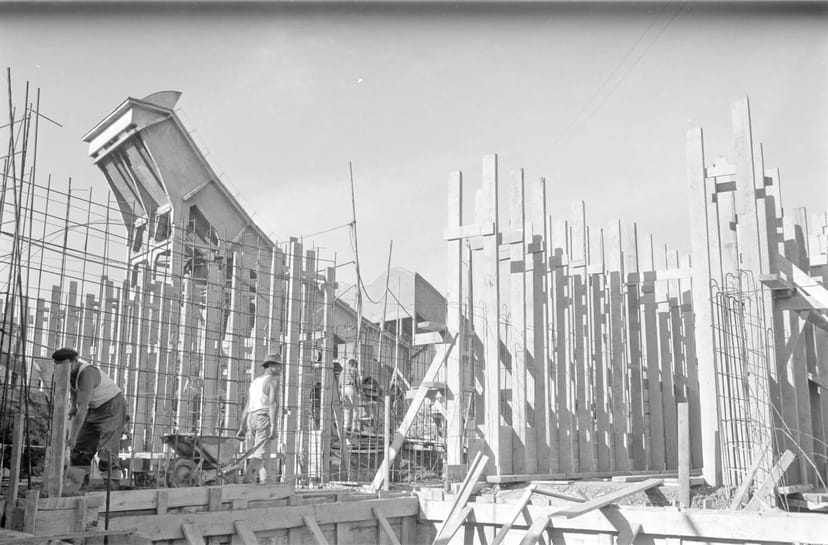
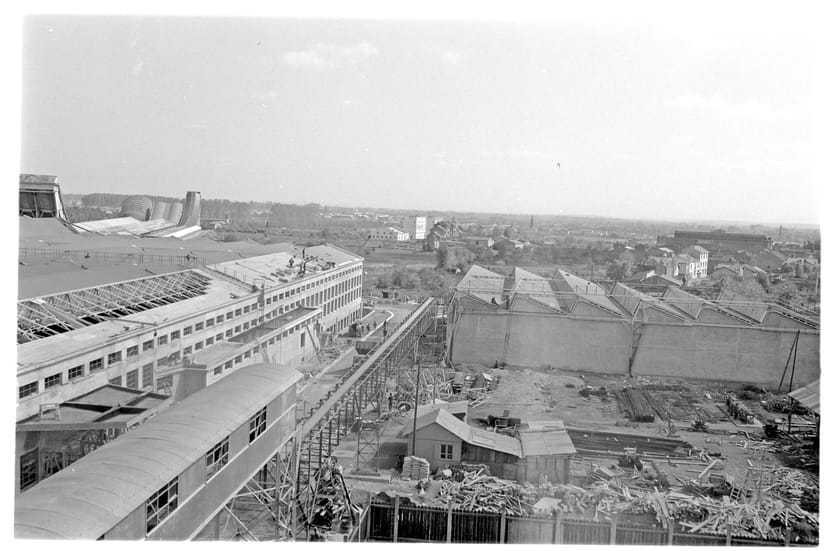
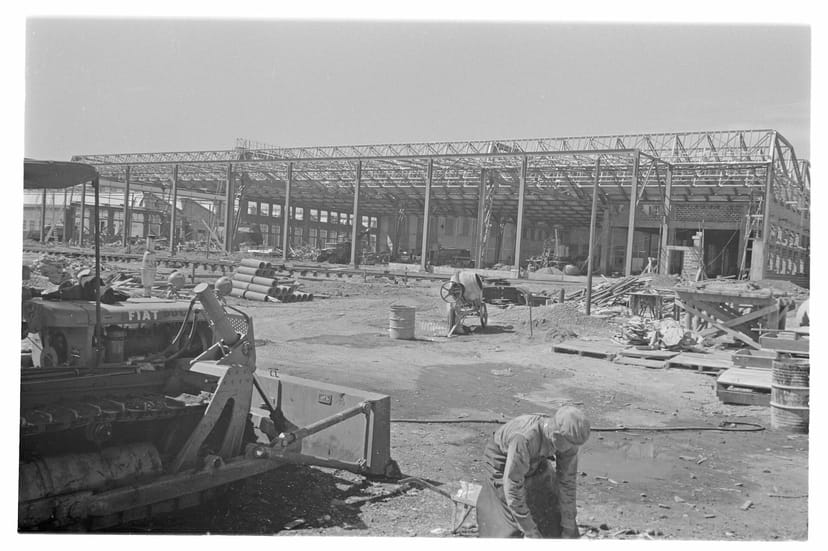
Michelin Innovation Park - Cataroux is keeping up tradition with the redevelopment of this 42-hectare industrial site created in 1921. At the end of World War I, Edouard and André Michelin were keen to strengthen Michelin's position as the company had been weakened by years of war. To meet production requirements and boost innovation, the first large modern plant was built in Cataroux. The first buildings were inaugurated in 1921.
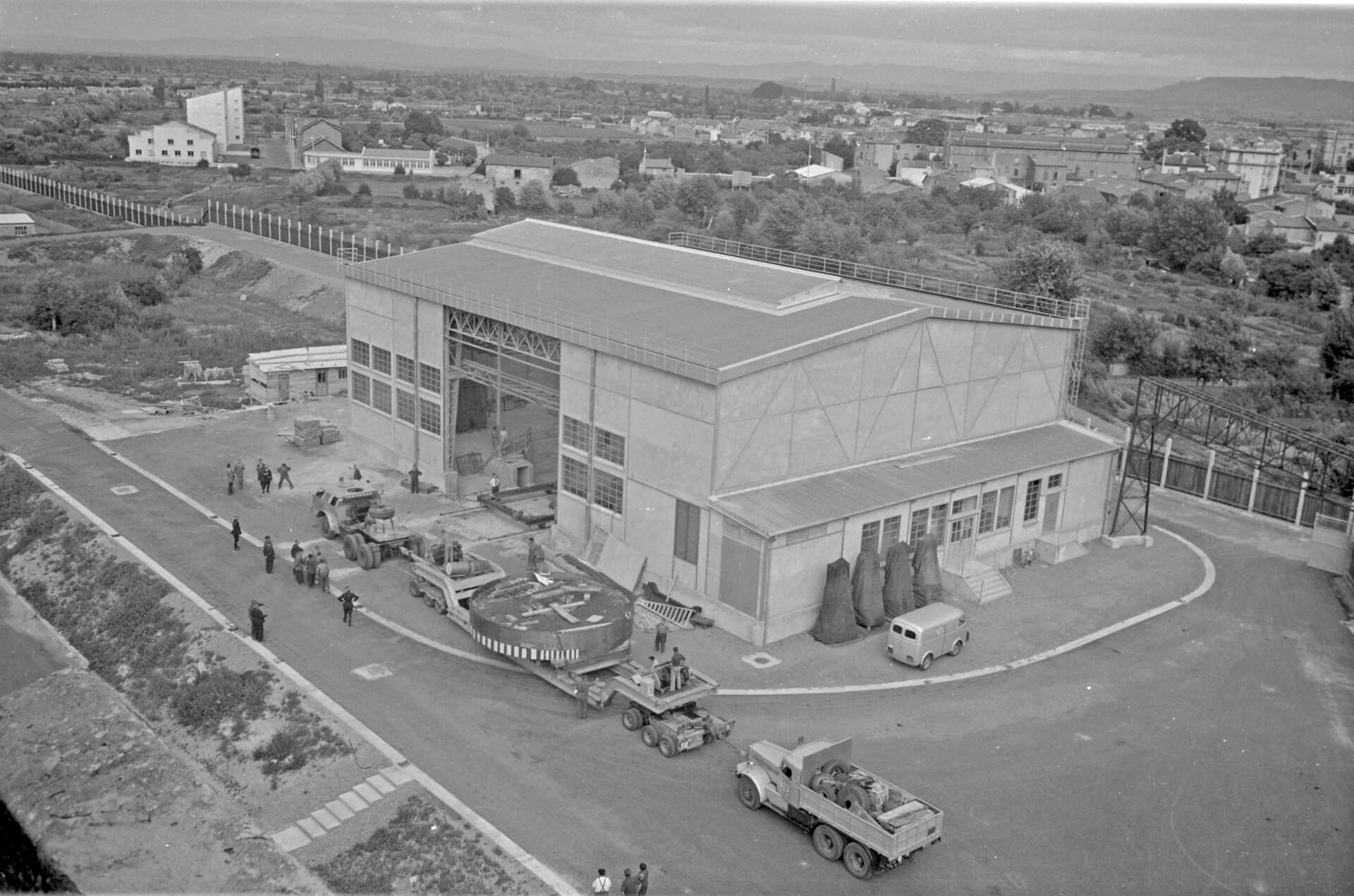
Cataroux also became an important research and development center which was home to chemistry and measurement laboratories as well as various proving grounds for innovation, including the famous “back-and-forth” test tracks which came to symbolize the development and industrial renaissance of the city. Cataroux played a pivotal role in Michelin's development helping the manufacturer achieve its status as global leader thanks to groundbreaking innovations such as the tire with a universal tread, the Métalic tire (1937) and the flagship Radial tire (1946).
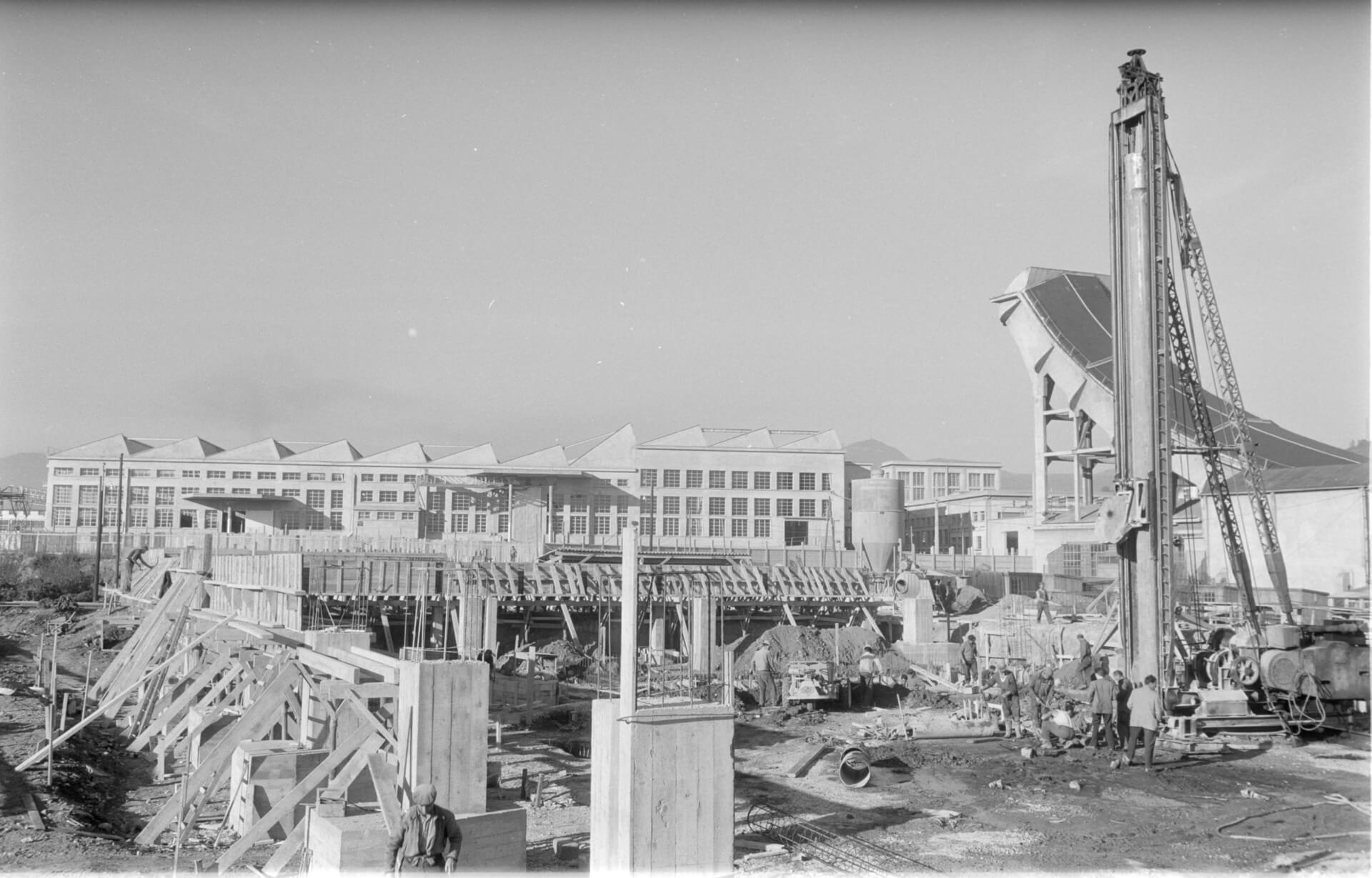
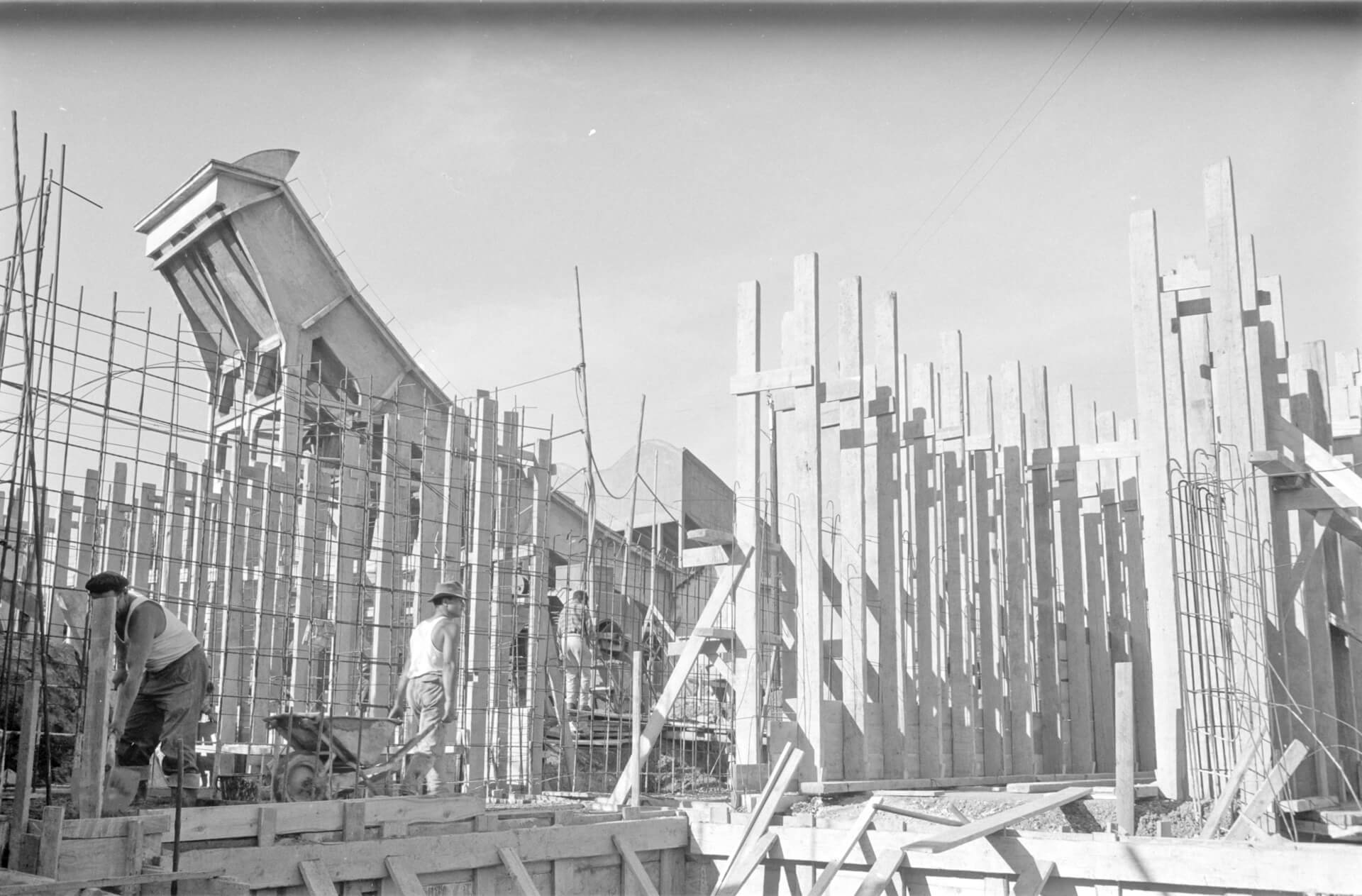
Cataroux has always embraced change and developed beyond-tire manufacturing capabilities very early on. Shortly after its inauguration, Cataroux started producing rustproof enameled lava signs to affix to roadside milestones. In the 1930s, the plant started manufacturing Michelines, railcars mounted on tires which remained on the market until the 1950s. During World War II, the company branched out into products such as bicycle trailers and shoe soles so as to protect the livelihood of its employees.
In addition to these technical innovations, the company offered support to site employees in the form of housing, healthcare facilities and schools. Michelin progressively shaped its universal vision of a social policy around the Cataroux plant focusing on access to healthcare, sport and education.